HDPE Pipeline Systems
What is High-Density Polyethylene?
HDPE is an acronym for High-density polyethylene. It is a natural gas-derived thermoplastic widely known for its impressive tensile strength, excellent corrosion resistance as well as impact resistance. These beneficial traits make it the ideal material choice for piping in a broad range of applications including pressure and non-pressure pipes along with conduit and drainage. HDPE pipes are manufactured to be utilized for various purposes like, potable water systems, mining operations, oil and gas collection, wastewater removal, protecting fiber optic cables, natural gas distribution and more.
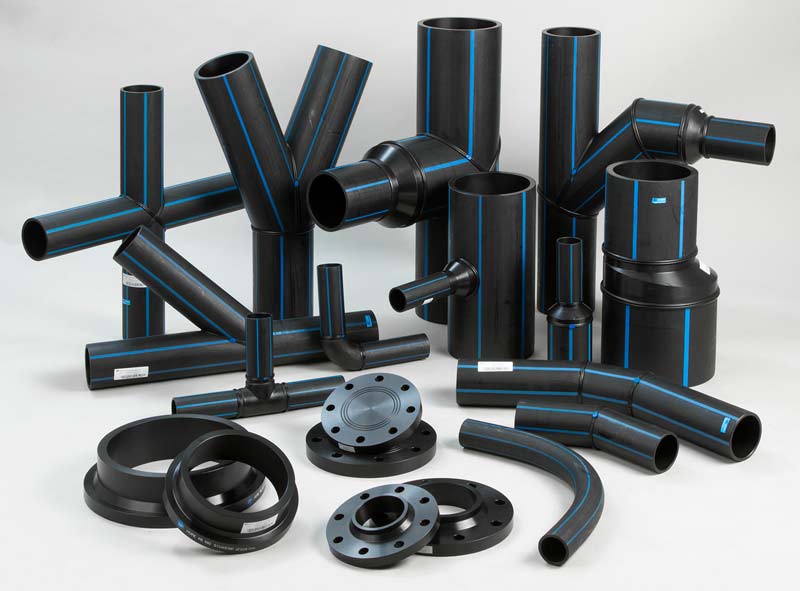
What are HDPE Pipes and fittings?
As a plastic, HDPE is viewed as one of the most versatile polymers. Owing to its unique characteristics, HDPE can be employed for a wide range of purposes.
To begin with, HDPE pipes and fittings are light, flexible, and easy to install, which helps to minimise construction costs. The plastic itself is also quite easier to fabricate as compared to other piping materials.
They are also durable as well as stress crack-resistant, not to mention corrosion-free.
HDPE’s mechanical properties include a remarkably high minimum yield strength. This reveals how well the pipe can bear up against tension from water pressure inside the pipe.
In terms of chemical resistance, HDPE pipes and fittings possess high tolerance to alcohols and diluted alkalis and acids. Adding to this, they are also 100 percent recyclable, which means that they show minimal impact on the environment.
HDPE pipes and fittings are extraordinarily durable as well as resistant to physical damage, corrosion, common chemicals, and other environmental hazards. They are an indeed cost-effective choice for long-term piping requirements.
AnZ waters is the leading supplier of HDPE pipes and fittings. We have acquired quite a position among the great dealers of HDPE products. An experience of over 20 plus years have made AnZ Waters, efficient vendors in the wide spectrum of HDPE pipes and fittings.
Benefits of HDPE
HDPE is an acronym for High-density polyethylene. It is a natural gas-derived thermoplastic widely known for its impressive tensile strength, excellent corrosion resistance as well as impact resistance. These beneficial traits make it the ideal material choice for piping in a broad range of applications including pressure and non-pressure pipes along with conduit and drainage. HDPE pipes are manufactured to be utilized for various purposes like, potable water systems, mining operations, oil and gas collection, wastewater removal, protecting fiber optic cables, natural gas distribution and more.
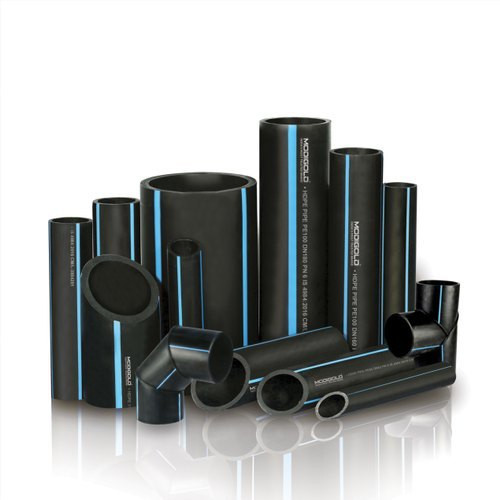
Malleability
HDPE stays solid and rigid until and unless it reaches its high melting point. However, once it reaches that point, it can be effectively molded into any desired shape. Thanks to this characteristic, which allows HDPE to be made into everything, ranging from food packaging to playground equipment.
Endurance
One of the characteristics of high-density polyethylene that stands out the most happens to be its resistance. It is a strong and hard material, and hence very resistant, however it is flexible enough for making toys, containers, bottles, caps, toys, etc. It may also be utilised to contain hazardous or corrosive materials such as acids, pesticides, etc. Moreover, it also supports both high and low temperatures. Its so beneficial composition makes its longevity extended.
Nontoxic
Another characteristic that makes it one of the preferred and reliable choices by the industry is that it is a non-toxic material, therefore, the manufacture of HDPE products and containers that are intended to safeguard and protect food or drugs safely.
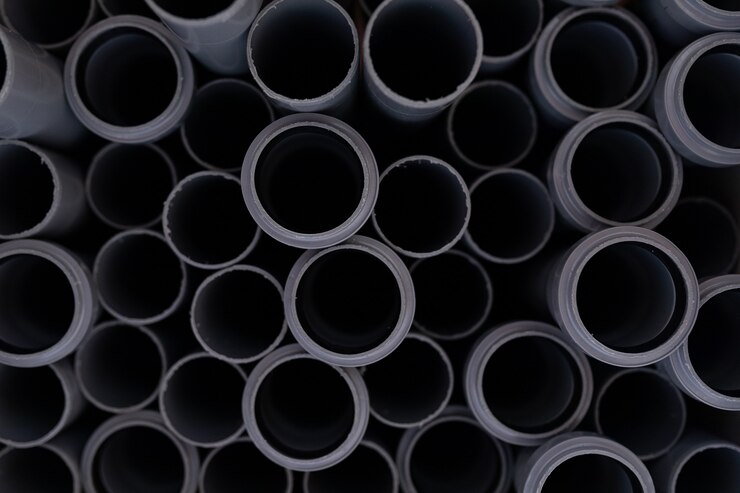
Weightlessness
HDPE is a very light material that is combined with the benefits of impact resistance. This results into savings in time as well as power when transporting any product made out of this material.
Easy Recyclability
HDPE is one of the easiest types of plastics to recycle, which helps companies and industries take care of the environment and minimise costs. Recycling materials reduces plastic production expenses and allows companies and industries to market their products as more sustainable, which is an incentive for a lot many customers.
Resistance to Environmental Factors
HDPE can stand up to different weather and environmental conditions, that include rain, common chemicals, acids, solvents, and detergents. Strong acids and bases are likely to occur naturally in soil, so HDPE pipes and fittings are a suitable option for underground piping.
Applications of HDPE pipes and fittings
Are there many different types of HDPE pipes? Yes, but there are so many types based on their utilisation or application, it would require an entirely different article to cover them all. Suffice it to say that HDPE is a versatile material, hence it’s no wonder it’s very broadly used worldwide.
Its natural moisture, weather, as well as its heat resistance on top of its innate durability adds up to the popularity of HDPE. As a result of this, HDPE pipes are used for the manufacture of many things, including bottles and other containers. Furthermore, HDPE is also the primary material choice for cutting boards, chemical tanks, and marine construction.
In terms of piping, HDPE pipe usages vary as they can be employed in different situations and industries, including:
- Agriculture
HDPE pipes are so durable that they can remain intact for 50 long years in an agricultural setting. Moreover, they are also light and easy to assemble, which clearly explains the reason why they have replaced metal pipes in this sector.
The above factors along with the polyethylene pipes’ corrosion resistance allow them to contribute to agriculture through the following applications:
- Flowline irrigation
- Drip irrigation
- Water supplies
- Pesticide spraying system
- Siphons
- Tube-well pipes
- Suction or delivery of pumps
- Lift irrigation
- Water transport
Pipe systems made from high-density polyethylene make water transport a lot easier. Along with being sturdy and pressure resistant, HDPE pipes and fittings also pass safety standards with their nontoxic nature and for being food grade. This, properly explains as to why the same polymer material is used in containers to hold potable water.
- Transport of edibles and chemicals
Polyethylene’s high corrosion resistance and excellent chemical resistance combined with its non-toxic characteristics also make it a reliable choice for industrial applications, especially those focused on the conveyance of milk, water, fruit pulp and juices, edible oils, acids, and alkalis.
- Liquid waste and sewage disposal systems
HDPE pipes and fittings, including drainage pipes, do not easily corrode nor get damaged from chemical exposure, making them splendid choices for the liquid waste and sewage disposal system. They can bear up against corrosive chemicals, treated or untreated effluent, and also radioactive waste.
Their residential, commercial, and industrial applications is inclusive of:
- Sub-soil water pipes
- Wastewater mains
- Surface and rainwater conveyance
- Submarine and underwater pipeline
HDPE pipes and fittings stand out in terms of wear and chemical resistance. They also happen to be lightweight and leave very less impact on the environment.
All of these factors make HDPE the best pipe choice for submarine and underwater pipelines.
HDPE pipes and fittings are employed in the following submarine or underwater applications:
- Underwater crossings
- Marine outfalls
- Salt-water intake lines
- Effluent pipeline
- Electrical and other non-liquid installations
Along with plumbing and other liquid-conveyance installations, HDPE piping can also be used as conduits for electrical cables, as well as:
- Air-conditioning and refrigeration
- Telecommunication conduits
- Fumes extraction
Types of HDPE pipes and fittings
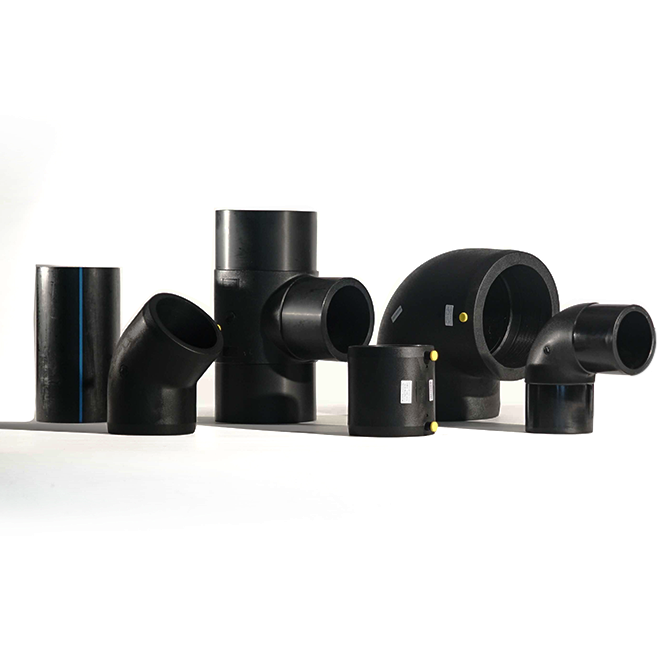
AnZ waters have a wide range of HDPE pipes, fittings and valves that are listed below
- HDPE pipes sch
- HDPE coupling
- HDPE TEE
- HDPE elbow
- HDPE reducer
- HDPE y-strainer
- HDPE male adapter
- HDPE female adapter
- HDPE threaded fittings
- HDPE valve
- HDPE ball valve
- HDPE diaphragm valve
- HDPE primer
- HDPE glue
HDPE Pipeline Systems – Advanced & Reliable Piping Solutions by Anz Waters
With the changing infrastructure and industrial environment, the right piping solution is essential to ensure durability, efficiency, and long-term performance. HDPE pipeline systems are coming into their own as one of the most successful and affordable systems for water distribution, drainage, and industrial applications. We pride ourselves on creating optimized HDPE pipeline systems to satisfy the ever-changing requirements of today's projects at Anz Waters. ...How do HDPE Pipeline Systems Work?
HDPE pipeline systems consist of High-Density Polyethylene, which is a thermoplastic with excellent corrosion resistance, strength, and flexibility. They are utilized in water supply, wastewater treatment, irrigation, and transport of fluids in industry. HDPE is produced from a natural gas source and is particularly useful for pressure and other piping applications, due to its high tensile strength, impact resistance, and durability. The complete HDPE piping system consists of pipes, fittings, valves, and accessories that are designed to function together to form a leak-free and seamless network. An HDPE pipeline system guarantees a reliable and efficient system for both municipal water systems and industrial plants.Some Important Characteristics of HDPE Pipes
1. Exceptional Durability
HDPE pipes are engineered to resist pressure, environmental and mechanical impact. They are resistant to cracking and wear and will last for many years, sometimes over 50 years in many applications.2. Corrosion & Chemical Resistance
HDPE pipeline systems will not corrode or rust, unlike metal pipes. They have excellent chemical, acid, and alkali resistance and can be used in wastewater systems and industrial uses.3. Lightweight & Easy Installation
One of the best features of the HDPE pipe is that of being light in weight. This helps to save the cost of transportation and installation, and enables the project to be completed in a shorter time.4. Flexibility & Impact Resistance
An HDPE piping system also has the flexibility to adjust to movements and pressure changes of the ground without cracking, making it suitable for underground installations.5. Leak-Free Performance
These systems, with high-quality HDPE pipe fittings, form robust, fusion-welded joints, which help reduce leakage and provide efficient fluid movement.6. Eco-Friendly & Recyclable
HDPE pipelines have a significantly lower environmental footprint than conventional materials, and are completely recyclable, representing a modern and sustainable option for infrastructure.Advantages of HDPE Water Pipeline Systems
There are a variety of advantages for choosing an HDPE water pipeline, both at home and in industry:- Safe for drinking water – Non-toxic, food-grade material to maintain water quality
- Easy to maintain – requires little repair and has a long service life.
- Non-stick surface – Eases the flow of food and prevents adhesion.
- High pressure resistance – This means that it can be used in water supply systems with demanding pressure conditions.
- Saves money – Reduces life cycle and installation expenses
Applications of HDPE Pipeline Systems
Because of the versatility of HDPE pipeline systems, they can be used in various industries and applications:1. Water Supply Systems
The HDPE water pipeline solutions are extensively utilized in potable water distribution because of their durability, safety, and leak-proof properties.2. Wastewater & Sewage Systems
HDPE pipes are highly resistant to corrosion and chemicals, best suited for sewage and drainage purposes.3. Agricultural Irrigation
Agricultural projects and farmers use HDPE pipelines to transport water efficiently to and from farm fields, such as drip irrigation, flow lines, and water transport.4. Industrial Applications
Chemical resistance and durability make HDPE pipe system solutions the ideal choice for industries that transport chemicals, slurries and other fluids.5. Marine & Underwater Pipelines
Due to their strength and resistance to the environment, HDPE pipes are very common in underwater applications like marine outfalls and saltwater intake systems.6. Cable Protection & Conduits
The protection of electrical and fiber optic cables used in infrastructure projects with an HDPE piping system is also possible.Types of HDPE Pipes and HDPE Pipe Fittings
We supply a wide variety of HDPE pipe systems at Anz Waters, such as:HDPE Pipes
- Common water supply pipes made of HDPE.
- High-pressure HDPE pipes
- Industrial-grade HDPE pipes
- Irrigation HDPE pipes
HDPE Pipe Fittings
- HDPE couplings
- HDPE elbows
- HDPE tees
- HDPE reducers
- Male and female HDPE adapters.
- HDPE valves and ball valves.
- HDPE diaphragm valves
Why Anz Waters for HDPE Pipeline Systems?
For a quality, expert, and quality-oriented partner in the field of HDPE pipeline systems, Anz Waters excels.1. Extensive Industry Experience
Anz Waters has a solid 20+ years of experience and a good reputation with respect to advanced pipe solutions in various industries.2. Wide Product Range
We provide an extensive range of pipe products, pipe fittings, and complete HDPE piping system solutions for various applications.3. High-Quality Standards
Our HDPE pipeline systems comply with international standards to ensure durability, safety, and long-term performance.4. Customized Solutions
Our team can deliver water pipeline solutions tailored to your project needs by using HDPE pipe.Our team offers customized water pipeline solutions to suit specific project needs using HDPE pipe.5. Strong Distribution Network
Having an extensive supply network, we provide the timely supply of HDPE pipe and fitting in different regions.6. Expertise Across Industries
Anz Waters' solutions are used in various industries, such as water treatment plants, chemical industries, and MEP solutions.Installation of HDPE Piping System
Installing a HDPE piping system is easy and efficient, as it is flexible and lightweight. Key steps include:- Site preparation, trenching.
- Coordinate and position pipes
- Using fusion welding to join
- Environmental testing and examination of the pressure parts.
- A. Backfilling & final installation
Sustainability and Environmental Benefits
However, one of the primary drivers of the increasing adoption of HDPE pipeline systems is their environmental friendliness:- Fully recyclable material
- Reduced carbon footprint
- Low loss of water and leakage.
- Reduced waste due to long lifespan.
Industries Served by Anz Waters
Anz Waters offers high-density polyethylene (HDPE) pipeline systems for a variety of industries, such as:- Water treatment plants
- Municipal infrastructure
- Agriculture and irrigation
- Chemical processing industries
- Marine and offshore projects
- Building and property
- Energy and utility sectors